How does who we are influence how we see the world? What is the connection between personal renewal and cultural change? What does it mean to see Christ in all things and all things in Christ? The “Hearts and Minds” podcast explores the Christian worldview – a vision of life and for life.
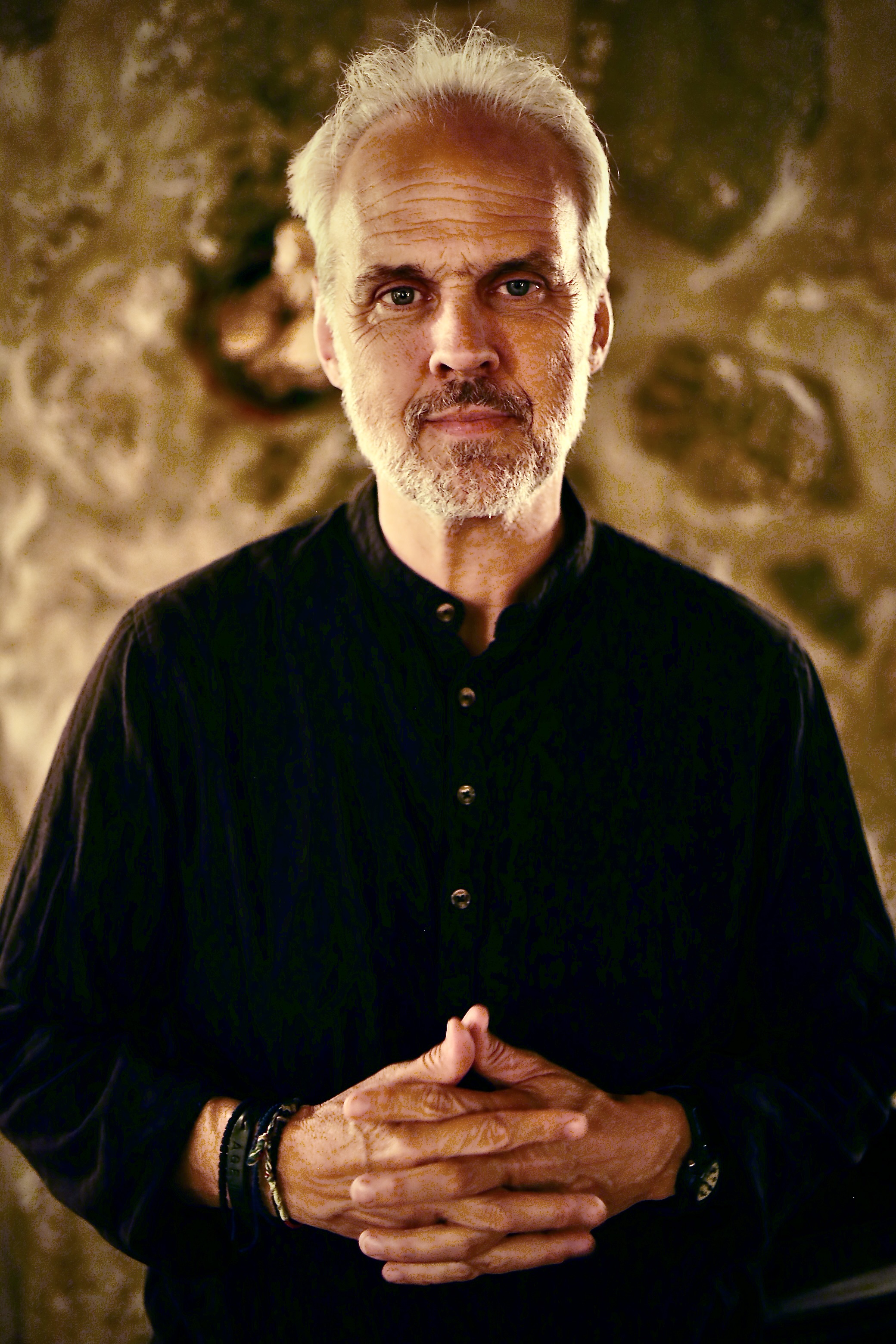
Fr John Oliver is the priest of St Elizabeth Orthodox Christian Church, in Murfreesboro, TN. He is the author of numerous articles and essays, and of Touching Heaven: Discovering Orthodox Christianity on the Island of Valaam, published by Conciliar Press. A graduate of St Tikhon’s Orthodox Theological Seminary, he joined the faculty as instructor in Old and New Testament and American Religious History. He and his wife Lara have three daughters and one son.
Visit our Schedules page to see when this podcast will be broadcast on Ancient Faith Talk.
Fr. John notes how Orthodox Christians see things in an iconographic way-- the images are connected to the larger reality they represent.
Using the writings of St. Nicodemus, Fr. John discusses how the eye can lead to sin or spiritual peace.
10:23
Fr. John discusses why we are enslaved to pleasure, as explained originally by St. Nicodemus of the Holy Mountain.
In Part Three of the ongoing series based upon "A Handbook of Spiritual Council" by St. Nicodemus of the Holy Mountain, Fr. John discusses the five senses and their relationship to the will.
Fr. John continues his series on Society and The Soul, presenting us with St. Nicodemus' vision of man as "a kind of royal palace, built by the superb architectural skill of an omniscient Creator."
With this podcast, Fr. John begins a new series based upon "A Handbook of Spiritual Council" by Saint Nicodemus of the Holy Mountain, a work which examines the five human senses: sight, hearing, smell, taste, and touch, and the role that each one plays in acquiring or losing salvation.
Fr. John discusses the importance of the Synaxis of the Theotokos, celebrated each year on December 26.
"There is nothing in this world more glorious, more precious, or more precarious than the human soul." Within the first few hundred years of Christian history, the Roman Empire experienced at least two devastating health epidemics. Fr. John shares with us a powerful example of how the early Christians demonstrated the worth of the soul, as well as a love stronger than fear, as they ministered to those in deep need during these times of great crisis.